
When the Aspens Turn- A Local Driver’s Guide to Timing Colorado’s Fall Color
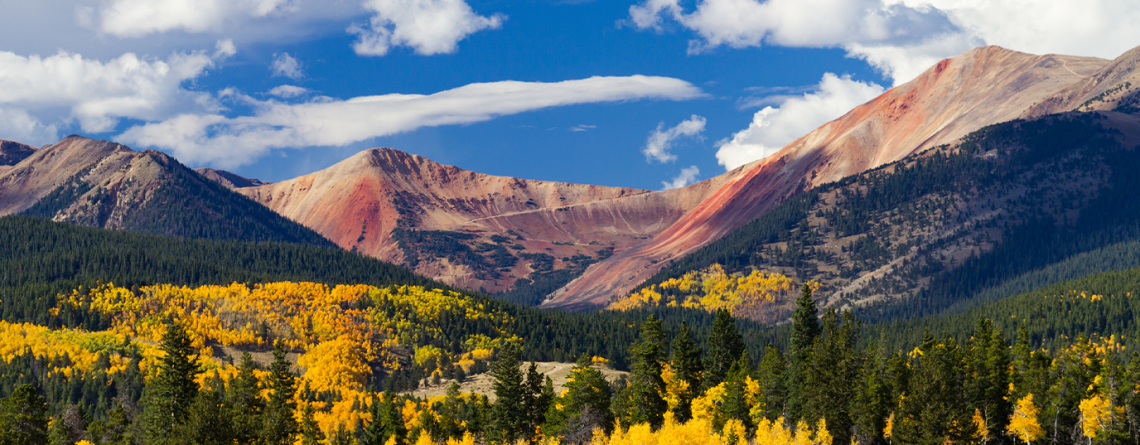
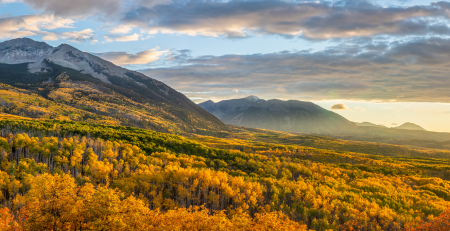
You saw the photo. A hillside of pure gold aspens against a hard blue Colorado sky, the kind of image that makes you book a trip or clear a weekend. So you plan for the peak. You drive up on a Saturday, pack a thermos, tell everyone to watch for the color.
And the trees are still green. Or worse, the leaves already dropped a week ago, and the grove looks like winter arrived early.
Fall color in Colorado is not a date on a calendar. It is a moving line that starts high and slides down the mountains week by week, and it does not care about your weekend plans. The good news is that the line is predictable if you understand what drives it. The better news is that someone who watches the passes every week can put you in the right grove on the right day.
This is the timing guide. When the aspens peak, how the window moves, and how to stop guessing. If you want the actual routes and how to book the day, that comes next. For now, let’s answer the question everyone gets wrong.
The window moves by elevation, not by date
Here is the single fact that makes everything else make sense. Aspens turn based on elevation and daylight, not on a fixed date. Cooler nights and shorter days trigger the change, and the highest, coldest ground feels it first.
So color starts at the top and works its way down. The high passes, roughly 8,000 to over 10,000 feet, begin turning in early September and push toward peak in late September. The mid-elevations and the I-70 corridor follow, running mid-September into early October. Southwest Colorado, down around the San Juans, peaks early to mid-October.
That is why a static map goes stale so fast. A map printed in August tells you where aspens grow. It cannot tell you which grove is gold this Thursday. The window at any single spot is short, often just a week to ten days of true peak, and a hard wind or an early snow can shorten it further.
Think of it as a wave rolling downhill. Chase the wave and you win. Stand still and wait for it, and you either arrive early to green or late to bare branches.
Early season: the high passes turn first
When the calendar flips to September, look up. The highest ground is already starting to change while Denver is still in shorts and sunshine.
This is the time for the high passes. Guanella Pass, climbing above Georgetown, holds aspen stands that catch the first cold. Kenosha Pass along Highway 285 is a classic early turner, with broad aspen slopes that go gold while lower country stays green. The Mount Blue Sky Byway, one of the highest paved roads in North America, gives you elevation fast and color to match.
Early season rewards people who move quickly and read the weather. A cold snap can pull peak forward by days. If your only free weekend is in the first half of the month, do not despair that “it’s too early.” It is exactly right for the high country. You just have to be willing to climb for it.
Mid-season: the corridor and the mid-elevations
By the back half of September into the first days of October, the wave has rolled down into the zone most visitors can reach easily. This is the sweet spot for many, because the color and the accessible drives line up.
The I-70 corridor and the mid-elevation groves light up now. Independence Pass, the high road toward Aspen, runs through some of the most photographed aspen country in the state before the pass closes for winter. This is also when the resort valleys start to show their best, which is convenient if a mountain trip is already on your calendar.
Mid-season is the most forgiving window for planning. The color band is wide, spread across a range of elevations, so if one grove is past peak, you can often drop a few hundred feet and find another still glowing. That flexibility is exactly what your driver, who knows the passes, trades on.
Late season: color slides south and low
As October settles in, the high passes are bare and the show has moved on. Do not assume you missed it. It just relocated.
Southwest Colorado carries the season longest. The San Juans peak early to mid-October, and the lower elevations across the state hold color after the summits have let go. Kebler Pass near Crested Butte has earned its reputation. It runs through one of the largest aspen groves in North America, a single connected organism spread across the hillsides, and when it turns, it is staggering.
Late season is for people who could not get away in September, and it is genuinely good. The trick is knowing to aim lower and farther south instead of returning to the high passes that already finished. That knowledge is the whole game.
A note on reading the passes
I will be honest about what makes this hard to do from a desk. Two groves at the same elevation, twenty miles apart, can be a week out of sync. Aspect matters. A south-facing slope holds green longer than a north-facing one. A stand near water behaves differently than one on a dry ridge. Wind is the wild card, because one strong overnight blow can strip a peak grove bare before your weekend arrives.
We drive these roads constantly, in every season, hauling folks to Breckenridge, Vail, Aspen, and everywhere between. That means we see the turn happening in real time. We know which pass popped this week and which one is still a few days out. We monitor conditions the way we monitor flights, because in Colorado the road and the weather are the same conversation.
That first-hand read is the difference between a hopeful guess and a confident plan. A map cannot tell you a north-facing grove on Guanella went past peak Tuesday. Your driver, who ran it Monday, can.
How the day works when we drive it
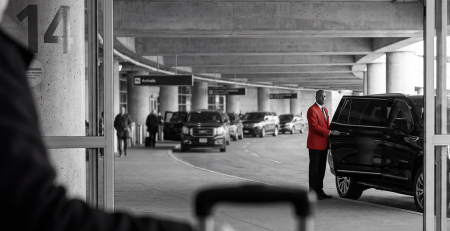
Picture the trip without the driving. Your driver picks you up door-to-door at your hotel or home, no parking lot shuttles, no cold rental car, no wrestling a map at a switchback. You watch the color. Your driver watches the road.
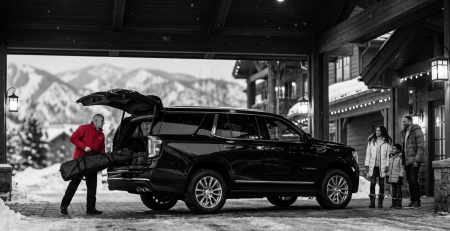
Our fall-color day trips run on hourly service at $100 per hour with a four-hour minimum, which gives you a real day in the high country rather than a rushed loop. The vehicle is a proper SUV built for Colorado, a Cadillac Escalade or a GMC Yukon Denali, warm and steady on mountain grades. If your group is larger, we have a Mercedes Sprinter that seats up to 15. You can stop for photos when the light is right. You can linger at a grove instead of hunting for a pullout. That is the point.
And because we run these passes every week, the itinerary is not fixed to a map that might be wrong by Saturday. Your driver adjusts to where the color actually is that day. You get the grove that is gold now, not the one that was gold last week.
When something else might fit
We are not the right answer for everyone, and I would rather tell you than sell you.
If you love the hunt itself, if half the joy is spinning the wheel and chasing three passes on your own schedule with your own coffee stops, rent an SUV and go. That independence is a real pleasure, and we would only get in its way.
If you want a short, casual drive close to town on a whim, an hourly day trip with a four-hour minimum is more service than you need. And if your heart is set on Rocky Mountain National Park or the Estes side of the Peak-to-Peak, that is a specific trip with its own timed-entry rules, and it deserves its own planning rather than a general fall-color day.
Where we earn our keep is when you want the color without the logistics. When you are hosting out-of-town guests and want to look like a hero without doing the driving. When you have kids, or elderly parents, or you simply want to arrive relaxed and leave relaxed. That is our lane, and we run it well.
FAQ
When do the aspens peak in Colorado, and how does the window move by elevation? The high passes, roughly 8,000 to over 10,000 feet, peak toward late September. Mid-elevations and the I-70 corridor run mid-September into early October. Southwest Colorado peaks early to mid-October. Color starts high and moves down the mountains week by week.
How long does peak color last in one spot? Usually about a week to ten days at any single grove, sometimes less. A hard wind or early snow can shorten it, which is why timing a specific place is tricky and why we watch conditions weekly.
What are some of the best aspen drives from Denver? Guanella Pass, Kenosha Pass, and the Mount Blue Sky Byway turn early and sit high. Independence Pass shines in the corridor season. Kebler Pass near Crested Butte, home to one of the largest aspen groves in North America, is a standout later in the window.
Can you guarantee we will see peak color on our date? No one honestly can, because weather moves the window. What we can do is put you where the color actually is that week, adjusting the route based on what your driver has seen on the passes in real time.
Is a private driver worth it just for leaf-peeping? If you want to enjoy the color instead of managing switchbacks, parking, and route decisions, yes. Our fall-color trips run hourly at $100 per hour with a four-hour minimum, and you ride door-to-door in a full-size SUV.
What vehicle will we be in? Typically a Cadillac Escalade or a GMC Yukon Denali for smaller groups. For larger parties, our Mercedes Sprinter seats up to 15. All are built to handle Colorado grades and weather comfortably.
Do you cover Rocky Mountain National Park fall trips? That trip has its own timed-entry system and planning needs, so we treat it separately rather than folding it into a general fall-color day. Reach out and we will point you the right way.
How far ahead should we book a fall-color day? The peak weeks fill fast, especially late September weekends. Text or call as early as you can so your driver can reserve the day and track the color as your date approaches.
See you at the curb
Colorado’s fall color is not one weekend and one place. It is a wave that starts on the high passes in early September and rolls down and south through October, and catching it means being in the right grove on the right day.
You can chase that wave yourself across three passes and hope you timed it. Or your driver takes you to the grove that is gold today, while you keep your eyes on the aspens and your hands off the wheel.
That is the whole promise. You bring the sense of wonder. We bring the timing, the road knowledge, and the calm. We wait for you.
Text or call 303-717-8113, or book at drivedenvercarservice.com.


Leave a Reply