How to Tell If a Denver Car Service Is Actually Licensed and Insured
You booked a black car for the airport. The confirmation looked polished, the website had nice photos, and the star rating was perfect. Then, at the curb, a plain sedan pulls up, the plate does not match, and the person driving cannot tell you who they are insured with. Now you are standing there with your bags, doing the math on whether to get in.
Here is the uncomfortable truth most travelers never learn until something goes wrong. A 5.0 rating tells you a service is pleasant. It tells you nothing about whether that service is legally allowed to carry you for hire, or whether anyone would be covered if the trip went sideways. Those are two completely different questions.
This post is the walkthrough we wish every rider had. We will show you how to verify that any Denver-area operator is licensed and insured, using public tools you control. Then we will show you exactly how to confirm ours, because we would rather you check than take our word for it.
Start with the state authority number
In Colorado, a company that carries passengers for money is regulated by the Public Utilities Commission, the PUC. A legitimate for-hire carrier holds a PUC authority number. This is not a formality. It is the difference between a real business operating under state oversight and someone offering rides off the books.
A luxury limousine operator carries an authority that starts with the letters “LL.” Ours is LL-03649. You can look that up. The Colorado PUC publishes a lookup for permitted carriers, and a real operator will hand you the number without hesitation.
If a company gets cagey when you ask for its PUC number, that is your answer. A licensed carrier is proud of its authority because earning it takes work. Vague replies, “we are working on it,” or a quick change of subject all point the same direction. This one question filters out a surprising share of the market.
Ask for the certificate of insurance, then read it
The second question is about coverage. Ask any operator for a certificate of insurance, often called a COI. This is a standard document. Insured carriers produce it in seconds because they send it to corporate clients and event planners all the time.
Do not stop at “yes, we are insured.” Read what the certificate actually says. You are looking for commercial auto liability coverage and a clear dollar limit. Personal auto policies typically exclude driving for hire, so a for-hire trip on a personal policy can leave everyone exposed after a crash. The document should name the company, list the policy period, and show the limit.
We carry between $500,000 and $1 million in commercial liability depending on the vehicle, and we are glad to provide the certificate before you book. That number matters most on the days you hope never happen. A licensed, well-insured operator is buying you protection you can confirm in writing, not a promise you have to trust.
Confirm the airport permit for DEN pickups
Denver International, DEN, has its own rules. Any car service picking you up at the airport needs a commercial permit from the airport, on top of the state authority. This is a separate layer, and it is one many casual operators skip because getting permitted is a real process.
A permitted operator knows the assigned pickup zones, follows the airport’s traffic rules, and does not improvise. That structure is what keeps your pickup calm instead of a scramble across lanes. We are DEN permitted, and we work inside the airport’s system every day.
When the app model breaks down at the airport, it usually breaks down here. The vehicle is not where you expected, the driver is circling to avoid enforcement, and the timeline slips. A permitted service removes that friction because it is playing by the rules that make DEN work.
Match the details at the curb
Verification is not only something you do before you book. It is also something you do in the 60 seconds before you get in the car. This step is simple, and it protects you regardless of which company you chose.
Before pickup, a real service sends you the details. Confirm three things at the curb.
- The license plate matches the plate you were sent.
- The driver’s name matches the name in your confirmation.
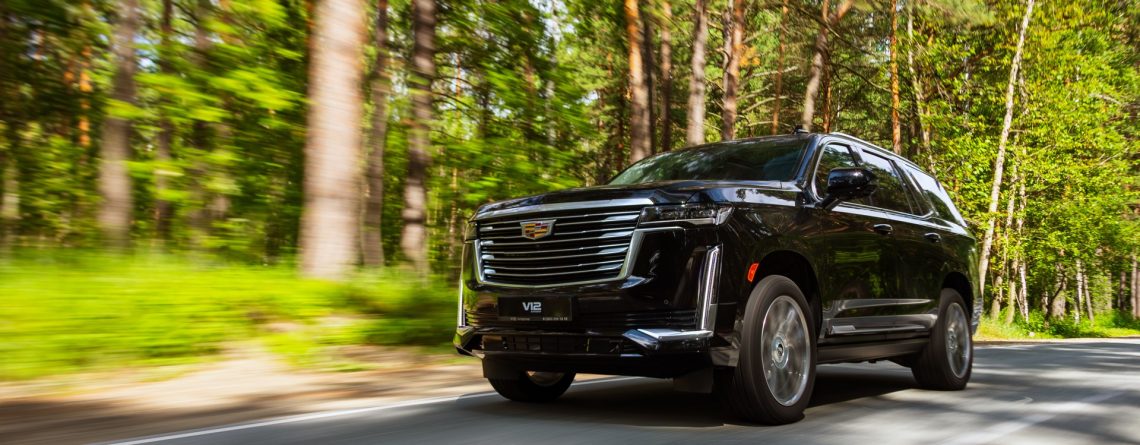
- The vehicle make and model match, for example a Cadillac Escalade or a GMC Yukon Denali.
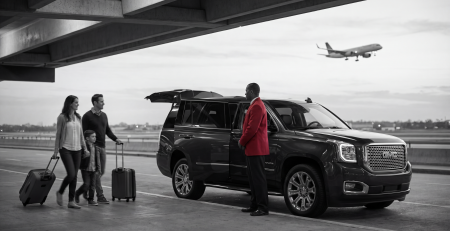
If any of those three do not line up, do not get in. A legitimate operator sends accurate information ahead of time precisely so you can check. With us, you know your driver’s name and vehicle before we arrive, and your driver greets you at the assigned pickup zone in a red jacket. That red jacket is not a costume. It is so you can spot the right person on a crowded curb without guessing.
Why the rating alone fools careful people
Reviews measure how a trip felt. They do not audit paperwork. A service can collect glowing stars for months while operating without proper authority or adequate coverage, because no rider ever thinks to ask. The gap between “friendly” and “legal” is invisible right up until the moment it is not.
This is why the travelers who vet operators tend to be the ones with the most on the line. A parent moving kids and car seats. An executive assistant booking for a client who cannot miss a flight. A bride coordinating a wedding weekend. They have learned that comfort is table stakes and that the real question is whether the operator would hold up under scrutiny.
We think that instinct is exactly right. So we make our proof easy to check rather than asking you to assume. Colorado PUC permitted, commercial insurance coverage, DEN permitted, and more than 25,000 rides behind us. Those are facts you can confirm, not adjectives we chose.
A note on doing this without offending anyone
You might feel awkward asking a company to prove itself. Do not. Professional operators expect these questions and respect the people who ask them. In more than 25,000 rides, the clients who vet us hardest often become our most loyal, because they recognize a service built to withstand the checking.
There is a polite way to do it. Ask for the PUC number and the certificate of insurance in the same message when you request a quote. A real operator answers both in one reply. If you get two dodges instead, you have saved yourself a bad morning at the curb.
When something else might fit
Honesty is part of how we operate, so here is the plain version. If your only priority is the lowest possible number on a screen, careful vetting will frustrate you, and a fully licensed service is probably not what you are shopping for. Licensing, commercial insurance, and airport permits all cost money to maintain, and that shows up in the rate.
We are also not the right call for a two-block hop across downtown or a spontaneous ride you need in four minutes. That is not what we are built for. We are built for the trips where reliability is the whole point, the airport run at dawn, the mountain drive in weather, the event where the timing cannot slip.
If you want a real person accountable for your trip, an operator you can verify, and your driver who knows Colorado roads and weather, that is us. If you want something looser and faster, that is a fair choice, and you now know how to check whoever you pick.
FAQ
How do I check if a car service is licensed and insured in Colorado?
Ask for the company’s Colorado PUC authority number and look it up through the PUC’s carrier lookup. Then request a certificate of insurance and confirm it shows commercial auto liability with a clear dollar limit.
What is a PUC number and why does it matter?
The Colorado Public Utilities Commission regulates for-hire passenger carriers. A PUC authority number shows the operator is legally permitted to carry passengers for money and operates under state oversight.
Is a personal star rating enough to trust a car service?
No. A high rating reflects how trips felt, not whether the operator is licensed or properly insured. Those are separate questions, and only paperwork answers them.
What should a certificate of insurance show?
It should name the company, list the policy period, and show commercial auto liability with a stated limit. We carry up to $1 million and provide the certificate before you book on request.
Does a car service need a special permit at Denver International?
Yes. DEN requires a commercial permit for airport pickups, separate from the state authority. We are DEN permitted and work within the airport’s assigned pickup zones every day.
How do I confirm my ride at the curb?
Match three things to your confirmation: the license plate, your driver’s name, and the vehicle make and model. If any do not match, do not get in. We send those details ahead so you can check.
How will I recognize my driver at the airport?
Your driver greets you at the assigned pickup zone in a red jacket, and you will already have the name and vehicle in your confirmation. Every airport booking is flight-monitored, so your driver adjusts to your actual arrival time.
Is it rude to ask an operator to prove they are licensed?
Not at all. Professional operators expect these questions and answer them quickly. Ask for the PUC number and certificate of insurance together, and a real service replies to both.
See you at the curb
Verifying a car service is not paranoia. It is the same care you would use with anyone you trust with your travel, your timing, and the people in your car. Ask for the PUC number, read the certificate, confirm the airport permit, and match the details at the curb. Four steps, and you will never wonder again.
We built DriveDenver to pass that test in the open. Colorado PUC permitted, up to $1 million in insurance, DEN permitted, a 5.0 Google rating, and more than 25,000 rides. Check every one of them before you book, then let your driver take it from there.
Reliable when it counts, refined when it matters, and ready when you are. We wait for you.
Text or call 303-717-8113, or book at drivedenvercarservice.com.